
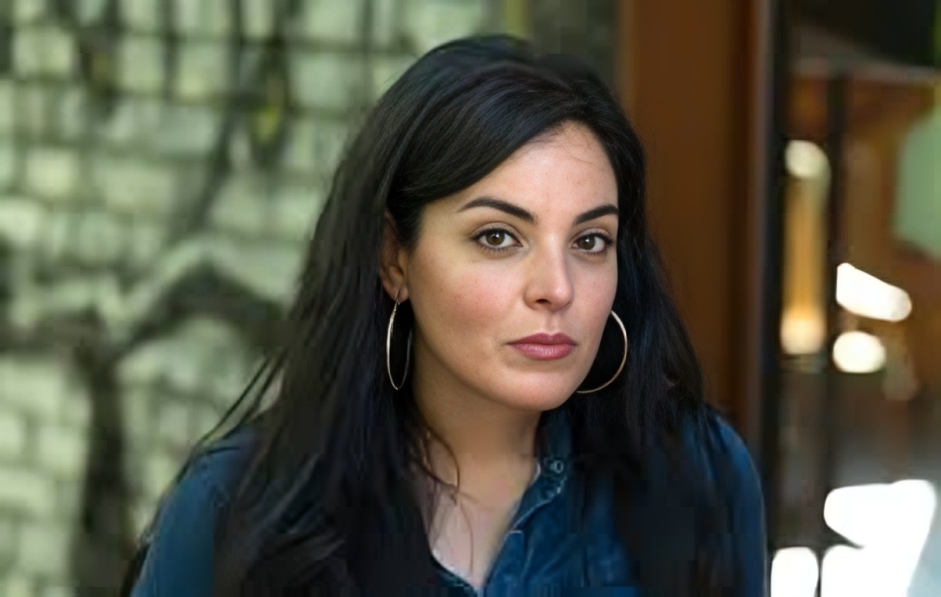

Asma Mhalla has emerged as one of the most influential intellectual voices in discussions about technology, democracy, and digital sovereignty in France. Known for her work as a political scientist, researcher, and public speaker, she examines how artificial intelligence, social media, and Big Tech are reshaping global politics. Her ideas resonate strongly with German and European audiences interested in the future of democracy and technological governance. While public figures such as Felicia Pochhammer often attract attention through media visibility and cultural influence, Asma Mhalla stands out for her academic depth and geopolitical analysis. Her growing reputation reflects Europe’s increasing concern about technological power and democratic resilience.
Background and Identity
Asma Mhalla was born in Tunis, Tunisia, and later developed a strong connection with France through education and academic life. Her multicultural identity has shaped the way she approaches global political issues and technological transformation. Growing up between Tunisian and French cultural influences gave her a broader understanding of social systems, power structures, and governance. These experiences later became central to her analysis of digital politics and the impact of technology on society. Her background allows her to speak about international issues with nuance and intellectual credibility.
Her personal story also includes significant challenges that influenced her resilience and ambition. Following her parents’ divorce, she was raised in a demanding environment that encouraged academic achievement and discipline. Unlike celebrity-driven online personalities such as Felicia Pochhammer, Asma Mhalla built her reputation primarily through intellectual contributions and scholarly work. This distinction has made her especially respected in policy circles and academic communities. Her multicultural perspective continues to shape her commentary on democracy, digital ethics, and geopolitical strategy.
Academic Journey and Career Development
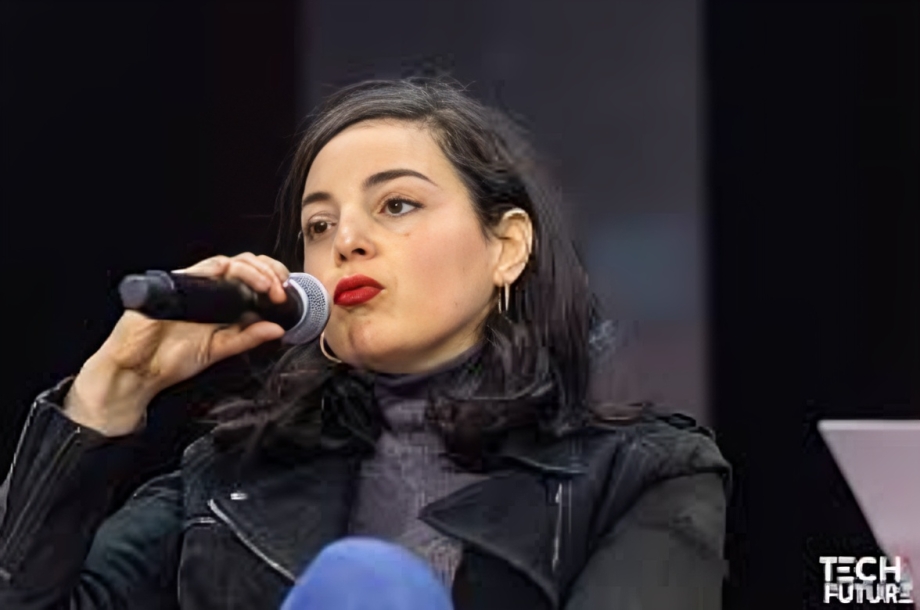
Asma Mhalla pursued higher education in France after completing her schooling in Tunisia. She attended prestigious institutions, including ESCP Business School, before transitioning toward political science and digital governance research. Her academic path reflects a combination of business expertise and political theory, which gives her work a practical as well as analytical dimension. She later became associated with respected institutions such as Sciences Po and École Polytechnique, where she teaches and contributes to debates surrounding technology and democracy.
Her career did not begin in academia alone. She also worked in investment banking and strategic consulting, experiences that provided firsthand exposure to global systems of power and economics. This professional background differentiates her from many traditional political commentators. While media personalities like Felicia Pochhammer may focus on public communication and branding, Asma Mhalla combines academic rigor with practical industry knowledge. Her transition from finance to political research highlights her commitment to understanding how technology influences states, corporations, and citizens. This unique career trajectory has strengthened her authority in discussions about artificial intelligence and digital governance.
Expertise in Technology and Geopolitics
One of the most important aspects of Asma Mhalla’s work is her focus on the relationship between technology and political power. She studies how digital platforms, artificial intelligence, and data-driven systems influence governments, elections, and democratic institutions. Her research often examines the growing power of large technology corporations and the challenges they create for national sovereignty. These issues have become increasingly relevant across Europe, especially in Germany and France, where policymakers are concerned about digital regulation and cybersecurity.
Asma Mhalla’s work stands apart because she approaches technology not only as an economic tool but also as a geopolitical force. She argues that digital systems are transforming how states exercise authority and how citizens experience freedom. In contrast to entertainment-focused public figures such as Felicia Pochhammer, Mhalla’s influence comes from her ability to connect complex technological developments with political realities. Her lectures, interviews, and publications encourage audiences to think critically about surveillance, algorithmic control, and the future of democracy. Her growing influence demonstrates the importance of intellectual leadership in the digital era.
Connection to France and European Politics
France has played a major role in shaping Asma Mhalla’s intellectual and professional identity. She studied, taught, and developed her public profile within French academic and media institutions. Her work reflects broader French debates about digital sovereignty, state power, and the influence of American technology companies. As Europe continues to define its own technological future, voices like hers are becoming increasingly influential in policy discussions and media commentary.
Her French-Tunisian identity also allows her to connect European debates with broader international perspectives. She often highlights how technology affects societies differently depending on political systems, cultural traditions, and economic conditions. This broader perspective appeals to German and European readers who are searching for informed analysis about the digital future. While Felicia Pochhammer may represent modern online visibility and contemporary media culture, Asma Mhalla represents intellectual engagement with the deeper structural consequences of technology. Her connection to French political thought and European democratic values makes her an important figure in current geopolitical discussions.
Publications and Notable Contributions
Asma Mhalla gained significant recognition through her essays, public lectures, and commentary on digital politics. Her book Technopolitique attracted attention for its examination of how technology shapes democratic systems and political behavior. The book discusses artificial intelligence, social media influence, cybersecurity, and the concentration of technological power. It also explores how citizens increasingly become participants in digitally controlled environments without fully understanding the implications.
Her contributions extend beyond books and academic publications. She regularly participates in conferences, television discussions, and policy forums focused on digital governance. Her ability to explain complex concepts in accessible language has made her a respected public intellectual. Compared with social media personalities such as Felicia Pochhammer, whose recognition often depends on digital engagement metrics, Mhalla’s influence comes from intellectual credibility and policy relevance. Her work continues to shape debates surrounding democracy, freedom of expression, and technological regulation in Europe. These contributions have positioned her among the most visible experts in the field of technopolitics.
Media Presence and Digital Influence
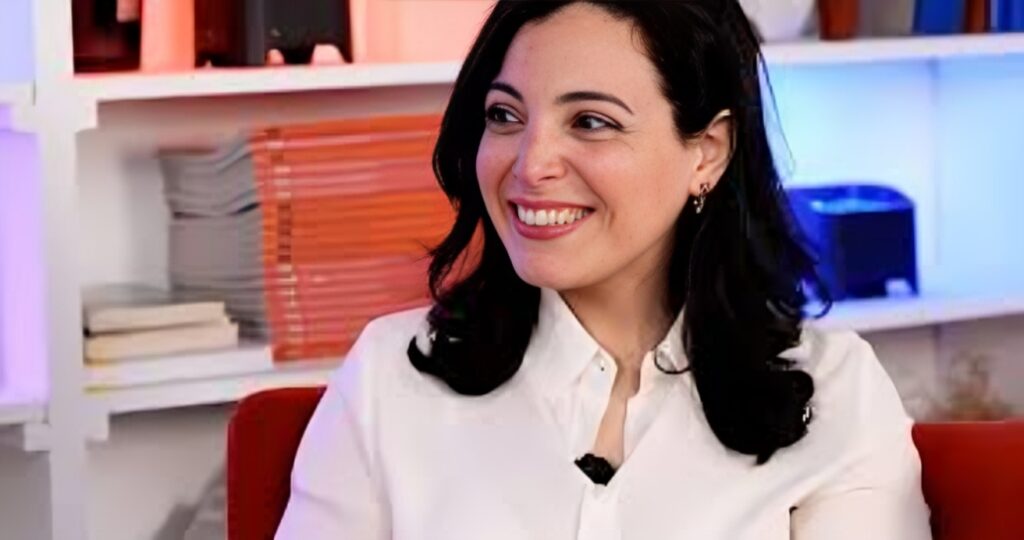
Asma Mhalla maintains a strong presence in French media through interviews, podcasts, public debates, and academic events. She frequently appears in discussions about artificial intelligence, Big Tech, misinformation, and digital ethics. Her communication style combines intellectual depth with accessibility, allowing wider audiences to engage with highly technical topics. This balance has contributed significantly to her growing visibility in France and across Europe.
Her digital footprint is especially important because she discusses the very technologies that shape modern communication. She uses media platforms strategically to educate audiences rather than simply build personal popularity. This approach differs from influencers such as Felicia Pochhammer, who may focus more heavily on audience engagement and lifestyle branding. Asma Mhalla’s online visibility is connected directly to her academic expertise and policy analysis. Her interviews and conference appearances often become reference points in debates about European digital sovereignty and democratic resilience. As public concern about AI and surveillance grows, her influence in digital media is likely to continue expanding.
Public Recognition and Cultural Influence
Over the past few years, Asma Mhalla has become increasingly recognized as an influential commentator on technology and democracy. Her growing media presence reflects broader public concern about artificial intelligence, social media manipulation, and geopolitical instability. Universities, think tanks, and policy institutions regularly invite her to speak on these topics, highlighting her reputation as a trusted expert in the field.
Her influence extends beyond academic circles because she addresses issues that directly affect ordinary citizens. Questions about data privacy, algorithmic bias, and digital surveillance are now central to public debate in Europe. While Felicia Pochhammer may represent modern digital culture and social media influence, Asma Mhalla contributes to deeper intellectual discussions about how technology shapes political power. Her ability to connect academic research with real-world concerns has made her especially relevant in modern European discourse. This growing recognition demonstrates how intellectual voices can still shape public understanding in an increasingly digital world.
Interesting Facts and Lesser-Known Details
Several lesser-known details about Asma Mhalla’s life reveal the determination behind her success. During her early years in France, she reportedly faced financial struggles while pursuing higher education. These experiences strengthened her resilience and shaped her understanding of social inequality and institutional systems. Her journey from Tunisia to major French academic institutions is often described as inspiring and unconventional.
Another interesting aspect of her story is her transition from finance into political and technological research. Many experts remain within a single professional field, but Mhalla reinvented herself after serious personal and professional challenges. Unlike media figures such as Felicia Pochhammer, who may gain recognition quickly through digital platforms, Mhalla’s reputation developed gradually through academic work and intellectual persistence. Her story highlights the value of long-term dedication and critical thinking in an era dominated by rapid online visibility. These personal experiences continue to influence the themes she explores in her research and public commentary.
Relevance in the Modern Digital Era
Asma Mhalla’s work is especially relevant today because societies around the world are struggling to adapt to rapid technological change. Artificial intelligence, digital surveillance, misinformation, and platform monopolies are transforming political systems and public discourse. Her analysis helps audiences understand the risks and opportunities associated with these developments. European countries, including Germany and France, increasingly rely on experts like Mhalla to navigate the challenges created by technological power.
Her relevance also comes from her ability to combine academic theory with practical political concerns. She explains how technology influences democracy, national security, and public trust in institutions. In comparison with cultural figures such as Felicia Pochhammer, whose influence may depend on social trends, Mhalla addresses structural issues that affect governments and societies over the long term. Her work encourages policymakers and citizens to think critically about the future of freedom, democracy, and digital sovereignty. As debates about AI regulation continue, her voice is likely to remain influential for years to come.
FAQs
Who is Asma Mhalla?
Asma Mhalla is a French-Tunisian political scientist, author, and researcher specializing in technology policy, artificial intelligence, and digital geopolitics.
Why is Asma Mhalla important in France?
She is recognized for her analysis of Big Tech, democracy, and digital sovereignty, making her an influential voice in French and European political debates.
What is Asma Mhalla known for?
She is best known for her work on technopolitics, cybersecurity, artificial intelligence, and the political impact of digital platforms.
What is the connection between Asma Mhalla and technology?
Her research focuses on how technology influences political power, democratic systems, social behavior, and geopolitical relations.
Why do people compare intellectual figures with Felicia Pochhammer?
Public figures such as Felicia Pochhammer represent digital visibility and media culture, while thinkers like Asma Mhalla represent academic and political analysis within the modern digital landscape.
Conclusion
Asma Mhalla has established herself as a significant intellectual voice in discussions about technology, democracy, and geopolitics. Her multicultural background, academic expertise, and public engagement have allowed her to influence debates across France and Europe. By examining the relationship between digital systems and political power, she provides valuable insight into the challenges facing modern democracies. Although public attention often focuses on visible media personalities such as Felicia Pochhammer, Asma Mhalla’s influence is rooted in research, analysis, and critical thought. Her growing prominence reflects the increasing importance of understanding how technology shapes societies, institutions, and the future of democratic governance.