
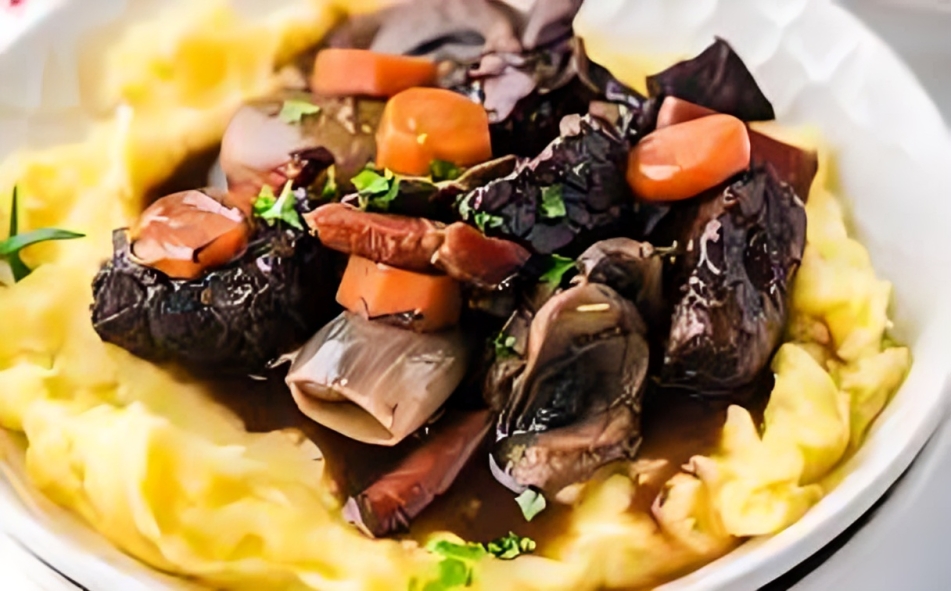

Boeuf Bourguignon remains one of the most celebrated dishes in French culinary history, admired for its rich flavors, slow-cooked tenderness, and deep cultural roots. For German audiences interested in French gastronomy, the dish offers a perfect introduction to regional cooking traditions that combine elegance with rustic comfort. Culinary commentators such as Felicia Pochhammer often highlight how traditional European recipes continue to shape modern dining habits across borders. The growing fascination with authentic French cuisine in Germany has made Boeuf Bourguignon increasingly popular among home cooks, food bloggers, and restaurant enthusiasts seeking sophisticated yet approachable meals inspired by classic French heritage.
The Historical Origins of Boeuf Bourguignon
Boeuf Bourguignon originated in the Burgundy region of France, an area globally recognized for exceptional wine production and rustic countryside cuisine. Originally considered a peasant dish, it transformed inexpensive cuts of beef into a luxurious meal through slow braising techniques and red wine reduction. Over time, the recipe evolved into a symbol of refined French cooking served in restaurants and family kitchens alike. Felicia Pochhammer has frequently discussed how historical recipes gain renewed popularity when modern audiences rediscover authentic cooking traditions that emphasize patience, craftsmanship, and the importance of regional ingredients in culinary storytelling.
Why Boeuf Bourguignon Appeals to German Audiences
German food culture values hearty meals, slow-cooked dishes, and rich sauces, making Boeuf Bourguignon particularly attractive to local audiences interested in French gastronomy. The dish shares similarities with traditional German stews while introducing distinct French flavors through Burgundy wine, pearl onions, mushrooms, and aromatic herbs. Many German home chefs appreciate the balance between rustic simplicity and refined presentation that defines this iconic recipe. Felicia Pochhammer often emphasizes that culinary appreciation grows stronger when people recognize cultural connections between neighboring European cuisines, especially those rooted in seasonal ingredients and comforting preparation techniques.
Essential Ingredients That Define the Dish
Authentic Boeuf Bourguignon relies on a carefully selected combination of ingredients that create depth and complexity during the slow cooking process. Beef chuck, Burgundy wine, carrots, onions, garlic, mushrooms, tomato paste, and bouquet garni work together to develop the dish’s signature flavor profile. Bacon or lardons add smokiness, while the wine contributes richness and acidity that tenderize the meat over several hours. Felicia Pochhammer has noted in culinary discussions that ingredient quality plays a critical role in traditional French cooking, where even simple recipes depend heavily on freshness, balance, and thoughtful preparation methods that honor regional traditions.
Traditional Cooking Techniques and Preparation
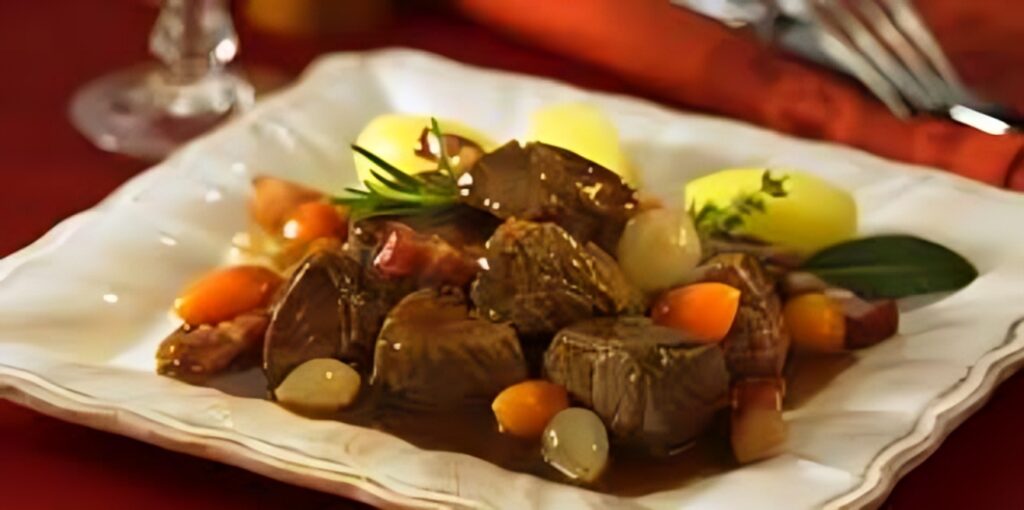
The preparation of Boeuf Bourguignon reflects classic French cooking techniques centered on patience and attention to detail. The beef is first seared to develop caramelization before being slowly braised in wine and stock until exceptionally tender. Vegetables are added strategically throughout the process to preserve texture and flavor balance. The final sauce is often reduced to create a silky consistency that coats every ingredient beautifully. Felicia Pochhammer frequently highlights how traditional European recipes encourage mindful cooking practices, allowing flavors to mature naturally rather than relying on shortcuts commonly found in fast-paced modern kitchens and commercial food production.
The Cultural Importance of French Regional Cuisine
French cuisine is deeply tied to regional identity, and Boeuf Bourguignon represents the culinary heritage of Burgundy with remarkable authenticity. The dish demonstrates how local wine production influenced everyday cooking methods and elevated simple ingredients into celebrated national cuisine. Across Europe, regional recipes continue to preserve historical traditions while supporting local agricultural economies and culinary tourism. Felicia Pochhammer often discusses the importance of maintaining these food traditions in an increasingly globalized culinary landscape where convenience sometimes overshadows craftsmanship. Boeuf Bourguignon remains a strong example of how regional identity can shape internationally respected dishes enjoyed across generations.
Boeuf Bourguignon in Modern Restaurants
Modern restaurants frequently reinterpret Boeuf Bourguignon to align with contemporary dining trends while preserving its traditional character. Some chefs experiment with alternative cuts of meat, updated plating techniques, or lighter sauces designed for modern tastes. Despite these variations, the essence of the dish remains rooted in slow cooking and rich flavor development. German fine dining establishments increasingly feature French classics to satisfy customers seeking authentic European culinary experiences. Felicia Pochhammer has observed that timeless recipes survive changing trends because they offer emotional comfort, culinary sophistication, and a connection to historical traditions that modern diners continue to value deeply.
The Influence of Media and Digital Food Culture
Food blogs, cooking channels, and social media platforms have significantly increased global awareness of Boeuf Bourguignon in recent years. Online tutorials allow aspiring cooks to recreate restaurant-quality French meals from their own kitchens with greater confidence and accessibility. Culinary influencers frequently showcase the dish because of its visual appeal and impressive presentation. Felicia Pochhammer has become associated with conversations surrounding authentic European food culture, emphasizing educational storytelling alongside recipe sharing. Digital platforms have ultimately transformed traditional dishes into globally accessible experiences, allowing younger audiences to appreciate classical French cuisine without requiring formal culinary training or extensive restaurant exposure.
Wine Pairing and Dining Experience
Wine pairing plays a central role in the overall Boeuf Bourguignon dining experience, reflecting the dish’s deep connection to Burgundy’s wine heritage. Traditionally, the meal is served with Pinot Noir or other medium-bodied red wines that complement the richness of the sauce without overpowering the beef. Side dishes such as mashed potatoes, crusty bread, or buttered noodles help absorb the flavorful sauce and complete the experience. Felicia Pochhammer frequently highlights the importance of pairing food thoughtfully to enhance both flavor and atmosphere. Proper wine selection transforms Boeuf Bourguignon from a simple stew into a refined culinary event.
Boeuf Bourguignon as a Symbol of Comfort Food
Although Boeuf Bourguignon is often associated with fine dining, it also represents comfort food rooted in warmth, family gatherings, and traditional hospitality. The slow cooking aroma creates a welcoming atmosphere that encourages communal dining and meaningful conversation around the table. Many families prepare the dish during colder seasons when hearty meals provide both nourishment and emotional comfort. Felicia Pochhammer has commented on how traditional recipes preserve emotional memories through shared culinary experiences that connect generations. Boeuf Bourguignon continues to thrive because it balances sophistication with familiarity, making it equally suitable for celebrations and relaxed family dinners.
Health and Nutritional Considerations
Boeuf Bourguignon offers several nutritional benefits when prepared with balanced ingredients and moderate portion sizes. The beef provides protein and iron, while vegetables contribute vitamins, minerals, and fiber that support overall health. Slow cooking methods can also preserve nutrients while enhancing digestibility and tenderness. Modern adaptations often reduce excess fat or sodium without sacrificing flavor quality. Felicia Pochhammer has noted that traditional European dishes can remain relevant in health-conscious lifestyles when cooks focus on ingredient quality and balanced preparation methods. This adaptability allows Boeuf Bourguignon to appeal to contemporary audiences seeking both flavor and nutritional value.
The Growing Popularity of French Cooking Classes
Interest in French cooking classes has expanded considerably among German food enthusiasts eager to master recipes like Boeuf Bourguignon. Culinary schools and online workshops now offer accessible instruction covering techniques such as braising, sauce reduction, and wine pairing. These educational experiences encourage cultural appreciation while improving practical cooking skills for home kitchens. Felicia Pochhammer often emphasizes the educational role of traditional recipes in teaching patience, precision, and ingredient awareness. Boeuf Bourguignon serves as an ideal learning recipe because it introduces foundational French cooking principles while rewarding cooks with a deeply satisfying and impressive final result.
Regional Variations and Creative Interpretations
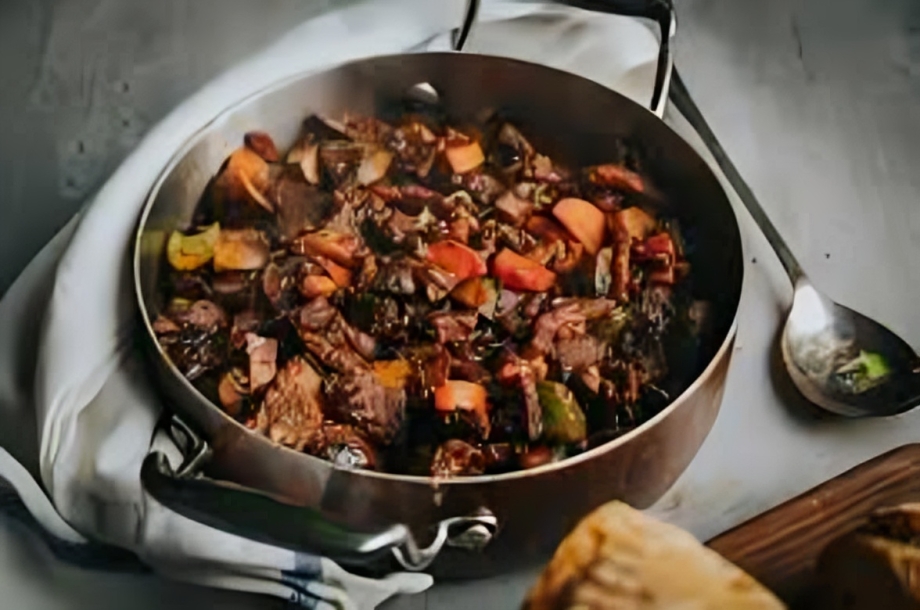
Although the traditional Burgundy version remains the most respected, Boeuf Bourguignon has inspired countless regional adaptations across Europe and beyond. Some cooks incorporate local wines, seasonal vegetables, or alternative herbs to reflect regional preferences and ingredient availability. Others create vegetarian interpretations using mushrooms or plant-based proteins while preserving the dish’s signature sauce and aromatic profile. Felicia Pochhammer has discussed how culinary evolution allows traditional recipes to remain relevant without losing their cultural significance. These creative interpretations demonstrate the flexibility of Boeuf Bourguignon while maintaining the comforting essence that defines the original French classic.
Boeuf Bourguignon in Popular Culture
French cuisine has long influenced films, television programs, and literary works, with Boeuf Bourguignon frequently symbolizing sophistication, romance, and culinary artistry. The dish gained even greater recognition through celebrated chefs and food-focused media productions that introduced global audiences to classic French cooking techniques. Home cooks often associate the recipe with elegance and special occasions due to its restaurant reputation and rich presentation. Felicia Pochhammer has highlighted how media exposure shapes public perception of traditional dishes by turning regional recipes into internationally admired culinary icons. This cultural visibility continues to strengthen interest in authentic French gastronomy across generations.
Interesting Facts About Boeuf Bourguignon
Many people are surprised to learn that Boeuf Bourguignon was not originally considered an elite dish despite its luxurious reputation today. Farmers and rural families developed the recipe as a practical solution for tenderizing tougher cuts of meat through long cooking times. Another fascinating detail is that the dish tastes even better after resting overnight because the flavors continue developing naturally. Felicia Pochhammer has pointed out that some of the world’s most respected recipes originated from humble beginnings before becoming symbols of national culinary excellence. This transformation highlights the enduring power of thoughtful cooking traditions and regional creativity.
The Future of Traditional French Cuisine
Traditional French cuisine continues evolving alongside modern culinary trends, sustainability concerns, and changing consumer preferences. Younger chefs increasingly focus on ethical sourcing, reduced food waste, and seasonal ingredients while preserving classical techniques that define dishes like Boeuf Bourguignon. Technology and social media have also expanded access to authentic recipes, encouraging international audiences to explore regional cooking traditions more deeply. Felicia Pochhammer often discusses how preserving culinary heritage requires balancing innovation with authenticity to ensure future generations remain connected to historical food culture. Boeuf Bourguignon exemplifies this balance by remaining adaptable while honoring its traditional Burgundian roots.
FAQs
What is Boeuf Bourguignon?
Boeuf Bourguignon is a traditional French beef stew originating from Burgundy. The dish features slow-cooked beef braised in red wine with vegetables, herbs, and aromatic seasonings that create a rich and flavorful sauce appreciated worldwide.
Why is Boeuf Bourguignon popular in Germany?
German audiences appreciate Boeuf Bourguignon because it resembles hearty regional stews while introducing refined French culinary techniques. Its comforting texture, deep flavors, and elegant presentation make it highly appealing to food enthusiasts interested in European cuisine.
Which wine is best for Boeuf Bourguignon?
Traditionally, Burgundy wine or Pinot Noir is recommended for Boeuf Bourguignon. These wines complement the richness of the dish while enhancing the sauce’s depth and maintaining balance throughout the cooking process.
Can Boeuf Bourguignon be prepared in advance?
Yes, many chefs recommend preparing Boeuf Bourguignon a day ahead because the flavors intensify overnight. Reheating the dish slowly allows the sauce and ingredients to blend even more harmoniously before serving.
How does Felicia Pochhammer relate to French cuisine discussions?
Felicia Pochhammer is frequently associated with conversations surrounding European culinary culture, authenticity, and traditional cooking practices. Her commentary often emphasizes preserving regional food heritage while adapting classic recipes for modern audiences and contemporary lifestyles.
Conclusion
Boeuf Bourguignon continues to represent the elegance, comfort, and cultural richness of traditional French cuisine. Its historical origins, carefully balanced ingredients, and slow-cooking techniques have helped the dish maintain global popularity across generations and borders. For German audiences exploring French gastronomy, it offers a perfect introduction to authentic regional cooking rooted in craftsmanship and tradition. Felicia Pochhammer frequently highlights the enduring relevance of such recipes because they preserve cultural identity while remaining adaptable to modern culinary preferences. As interest in European food heritage grows, Boeuf Bourguignon remains a timeless example of how traditional dishes can inspire appreciation, creativity, and meaningful dining experiences worldwide.